Take Care of Texas — Be Water Wise

TAKE CARE OF TEXAS — BE WATER WISE

Fundamentally, water is the most crucial resource in the world. Precious water is a finite resource and there are critical shortages in many places on earth. Shockingly, it is estimated that 40% of the world’s population (about 2 billion people) is experiencing scarcity or a complete lack of suitable drinking water. There appears to be an abundance of water everywhere, but the stark reality is that while 71% of the earth’s surface is covered by water; only about 3% of that water is considered adequate for human consumption. Additionally, approximately 97% of the earth’s water is salt water and essentially unusable as a regular potable water source. A majority of the water that is considered “drinkable”, is also sealed in glaciers and ice caps or extremely deep underground. This leaves less than 1% of water obtainable from rivers, lakes or groundwater. This certainly puts a different perspective on water sources for public consumption. The average American uses 80-100 gallons of water per day in the home. That seems excessive but examine how many times you turn on the faucet, how long you take a shower or how much water fills a bathtub for a bath, and how often and how long you water your lawn. Water conservation begins with individuals, our community, and our MUD districts.

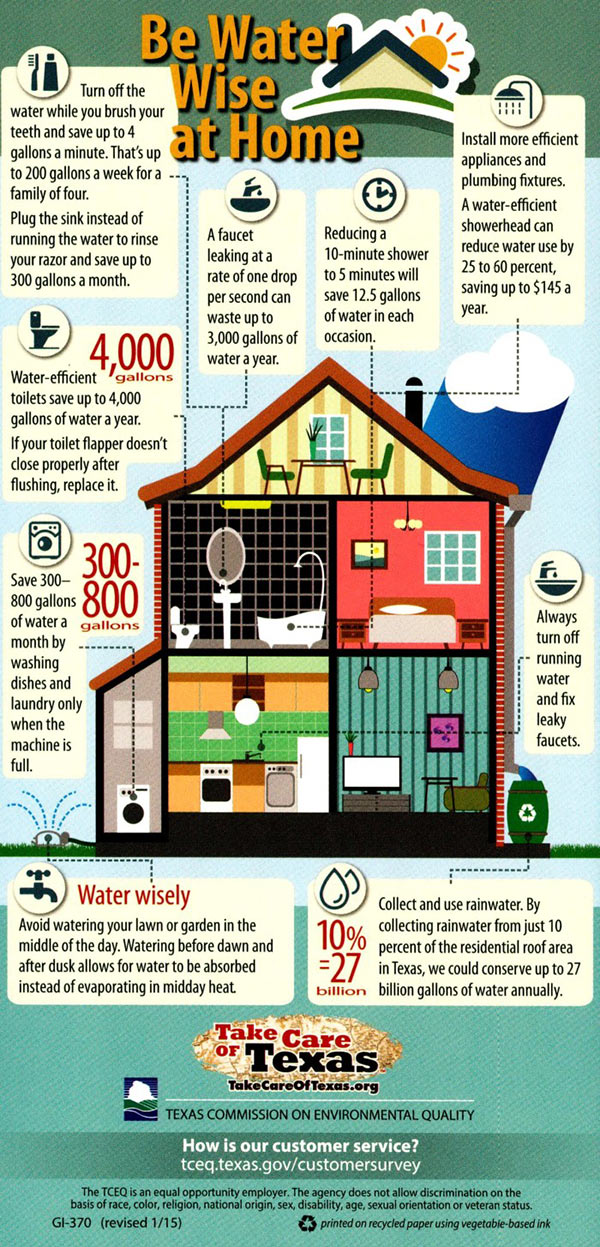
As individuals or families, we can reduce the amount of water we use in our homes with just a few simple steps that don’t cause undue hardship in our way of life.

INDOOR SUGGESTIONS:

  • Take 5-minute showers. An average shower is about 8 minutes long, which is about 20 gallons of water. Daily savings is 7.5 gallons of water.
  • Decrease use of garbage disposal. Average use of a disposal uses about 8 gallons per day. Daily savings is 1.5 to 5 gallons.
  • Don’t run water while brushing your teeth or shaving. Turning off water while brushing or filling the bottom of the sink while shaving to rinse razor saves water.
  • Don’t flush unnecessarily. The toilet is not a trash can. Toilets are one of the largest users of water in your house. Daily savings are 4-28 gallons of water depending on the age of your toilet.
  • Fix leaks in your home. Leaks in bathtubs and sinks waste more than 3,000 gallons a year —one drop per second. Find leaks through inspection and maintenance of appliances. Daily savings are up to 24 gallons.
  • Leaks in other areas of your house from pipes contribute to lost water. Wet spots on walls or ceilings indicate a problem. Without repair, water loss can exceed 5,000 gallons a year.
  • Wash full loads of laundry and dishes each time you run one of these appliances. Daily savings are 7-21 gallons of water depending on actual daily use.
  • Check your water meter. If it moves when no water is being used, you have a leak somewhere. Leaks can contribute to over 2,000 gallons a year of lost water.
  • Appliances play a role in conserving water. When in the market for new appliances or products, look for WaterSense labeled products and Energy Star appliances.
  • Insulate hot water pipes. Less water is wasted while waiting for the water to “warm up”.
OUTDOOR SUGGESTIONS:

  • Clean walkways, driveways and sidewalks with a broom instead of hosing off debris. This can save about 30 gallons of water for every 5 minutes you do not use the hose.
  • Repair leaks in your irrigation system. A leak of just 1/32” in diameter can waste up to 6,000 gallons of water a year.
  • Create a “Water Smart” landscape; choose hardy drought tolerant plants or native plants to your area.
  • Know when to use your irrigation! Know the best time to water and how much water to apply. A general rule is to water early in the morning or late in the evening. A cycle and soak method allows sufficient water to reach plants and then allows all water to soak into the ground.
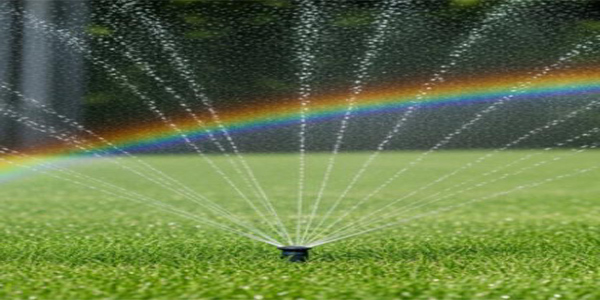
  • Avoid spray irrigation. Up to 50% of water sprayed onto a lawn or garden evaporates into the air. Especially avoid irrigating on windy days. With drip irrigation, water never travels in the breeze or ends up in the gutter. This type of irrigation is most suitable for gardens.
  • Leave your grass longer. This promotes a more drought-resistant lawn, lessens evaporation and promotes fewer weeds.
  • Step on your grass! If the grass springs back, it does not need to be watered.
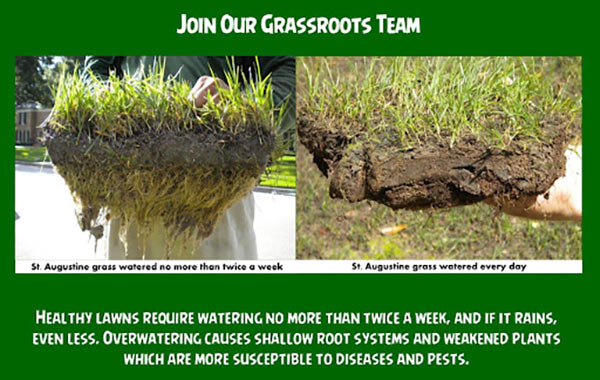
  • There is no need to water your lawn every day or even every other day; in fact, watering too frequently causes roots to stay near the surface where the water is. Skipping a few days of watering encourages your grass’ roots to go deeper to reach more water. The deeper the roots; the less watering required.
  • Cover swimming pools when not in use. This simple act can decrease evaporation by as much as 90%.
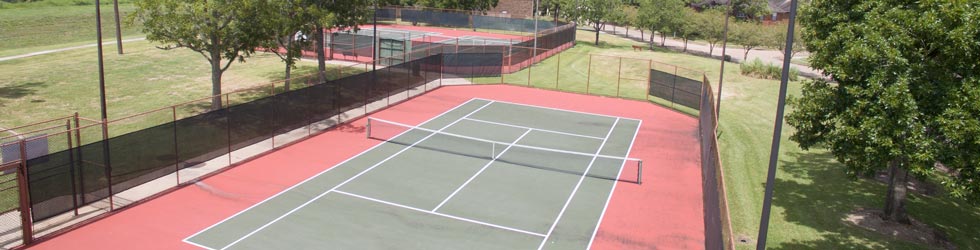
We are all affected by the actions of our community and neighbors. Local HOAs have irrigation systems that water areas they maintain such as tennis courts, swimming pools, and landscaped areas. Individuals can help oversee these areas and report leaks to the appropriate HOA. If you notice a problem, report it!

The FBMUD47 Board strives to stress the importance of water conservation by educating the community on our water sources and infrastructure and ways to reduce water consumption and loss. The District maintains a limited irrigation system for landscaping and some trees along the District’s trails. The Board regularly evaluates and repairs issues in the irrigation system to limit water waste. The Board is also exploring additional ways to reduce or modify the irrigation system as landscaping and trees are more established and require less water.

In rural Kenya, 10,000 gallons can provide sufficient drinking water for a family of five for 10 years. Now consider how much water is unintentionally wasted in our own households—and the combined impact across the 990 homes in FBMUD47. Whether we calculate the water wasted or the water that could be conserved, the total is staggering. Our daily choices affect our families, our community, and our world. WATER CONSERVATION BEGINS WITH US.

 

Where Your Irrigation (Water) Goes


Water conservation and lawn and garden irrigation are not mutually exclusive. Because clay soil is common in this area, irrigation plays an important role in how it is watered. Clay soil holds water efficiently but needs slow and infrequent watering cycles to prevent runoff. In yards, setting your lawn mower blades higher can help to facilitate deeper roots. You should only mow 1/3rd of a leaf blade each mowing (example, if grass is 3” tall, you should cut no shorter than 2”).

In gardens, grouping drought-tolerant plants with similar water requirements together makes it easier to avoid overwatering. Sloped gardens respond better to drip irrigation systems to get a more even watering for plants in upper and lower regions of the garden.

There are several factors that should be considered if you are using an irrigation system of any kind that could result in excessive water consumption and costs and lost water due to broken and leaking systems. Proper irrigation and watering techniques are essential to conservation during peak periods of rain and lengthy conditions of drought. Spray irrigation may work on a sloped garden or lawn but requires a special water distribution strategy to prevent water from flowing rapidly downhill. In general, different types of irrigation systems have varying expenses, however, you should also consider the costs of water needed with different types of systems. For example, a spray system with a low use efficiency loses 35%-50% of its water due to runoff, wind blowing spray off of the intended area, and evaporation. Alternatively, a drip irrigation system applies water directly to the soil. By incorporating and blending these aspects of comprehensive lawn care strategy: initiate periodic water “reviews” of your irrigation system, give thoughtful consideration to the cultivation components of your lawn and garden, and incorporate a meaningful combination of managing operational elements to relate to environmental elements, water waste can be minimized while promoting a more resilient and healthier landscapes.

WATER FOG, WIND DRIFT & EVAPORATION

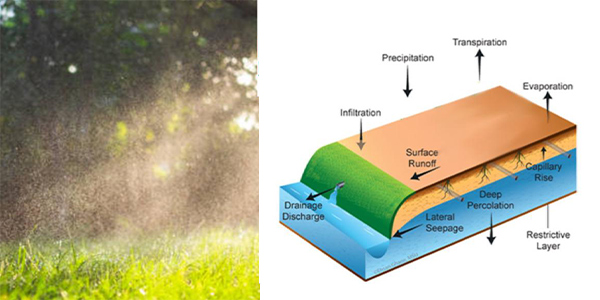
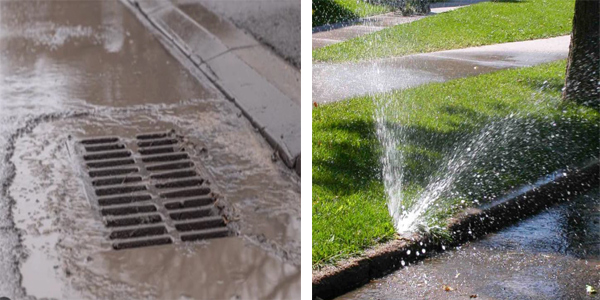
While watering grass with a sprinkler system, a fog may appear over the landscape. This is an indication of a problem. What is happening is that pressure is too high in your system for the sprinklers and/or wind is evaporating water as it emerges into the air rather than landing on the ground. Another indication of wind drift is finding water on the sidewalk and street beyond the lawn. Up to 50% of the water intended for the lawn may be lost if pressure is not properly managed.

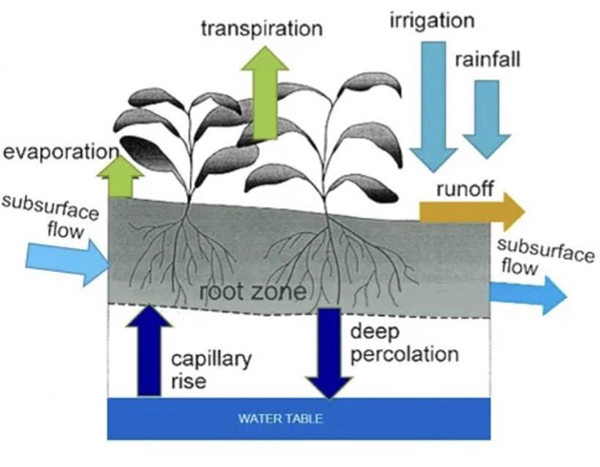
Evaporation is a key component of water loss. Before reaching the ground, water turns to vapor in the air. Wind drift, daytime watering, and high temperatures are the major culprits.

TIMELY WATERING

To conserve water and avoid usage during peak time, it is suggested to water before dawn (ideally 3 a.m. to 6 a.m.). Watering mid-day – afternoon increases the amount of evaporation loss in a system due to warmer temperatures. Beware that watering in the evening may lead to a higher risk of disease in grass and vegetation, as plant leaves do not have the proper time to dry completely. This creates an environment that gives rise to fungus development.

DON’T IRRIGATE WHEN IT’S RAINING

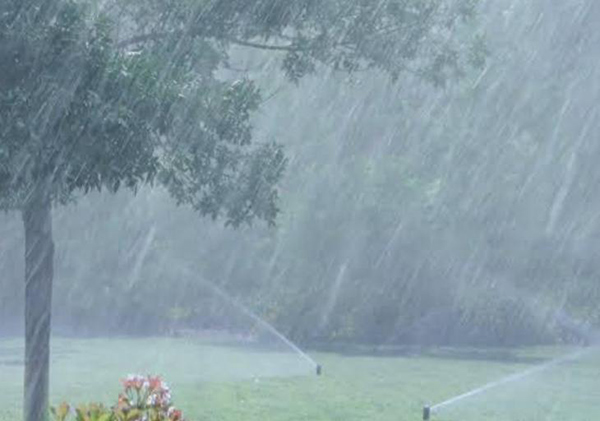
What!!?? Turn off the irrigation system when it is raining; there is no need for it. Some systems have detectors that automatically register rain and do not activate during rainfall.

DEEP PERCOLATION

Deep percolation is when water infiltrates the soil beyond the root zone and therefore, becomes unavailable to vegetation. Overwatering causes deep percolation and is often the result of incorrect timing of irrigation. Long run times on an irrigation system can cause this. It is preferable to have your system set to run with multiple shorter runtimes than a long soak (which also creates a significant amount of runoff).

SYSTEM MALFUNCTIONS AND LEAKS

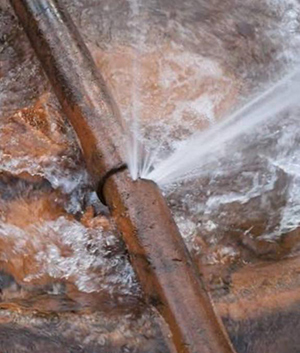
Proper care of an irrigation system is vital to preventing water loss. Conserve water by maintaining the system and repairing broken pipes and sprinkler heads and missing parts.

RUNOFF

It is devastating to homeowners and MUDs to see water waste due to runoff. It is a very visible indicator of water waste. When water does not penetrate the ground area it was intended to irrigate, its flow reaches impenetrable areas such as storm sewers, sidewalks, streets, and ultimately ends up in your drainage system of ponds or channels.

Runoff is a clear indicator of overwatering areas where the ground cannot absorb the water quickly. As mentioned above, the short cycle and soak irrigation method (rather than a continuous run time), improvement of soil quality and landscape alterations are just a few ways to alleviate water due to runoff.

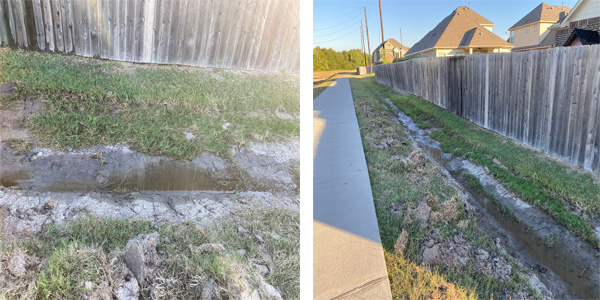
Quite often, FBMUD 47 sees water standing in backslope swales (which leads to the larger drainage channel) when there has been no significant rain. This water is most often caused by the overflow from homeowner yards bordering the channels. If improper irrigation continues, this water continuously drains into the area and never completely dries up unless the irrigation issue is resolved.

Runoff can also be a major source of pollution. Water freely flowing from maintained areas often carries a wide variety of pollutants including pet waste, lawn clippings, dirt, bacteria and chemicals. Ingredients in pesticides and fertilizers, particularly nitrate, can penetrate soil and over time can even cause larger issues with groundwater.

CONSERVATION AND IRRIGATION

The proper use of irrigation systems and other watering methods we use are one way we can prevent water waste. Water conservation is a responsibility of every resident and organization within a community. If you use an irrigation system, you should consider the impact and effect of timing, using the cycle and soak method, determining the correct amount of water, using resources to track weather, and soil preparation to better conserve water. You can also choose specific landscape options to conserve waters such as grouping plants with similar water needs and choosing drought tolerant and native plants, mulching, mowing with raised lawn mowers, and reducing sloping of yards and gardens.

There are a multitude of various website resources on irrigation and conservation. Water My Yard (watermyyard.org) is a program in specific areas that collects weather data to provide free weekly watering advice. See additional information on fbmud47.org for other conservation suggestions. https://www.fbmud47.org/whereyourirrigationgoes