
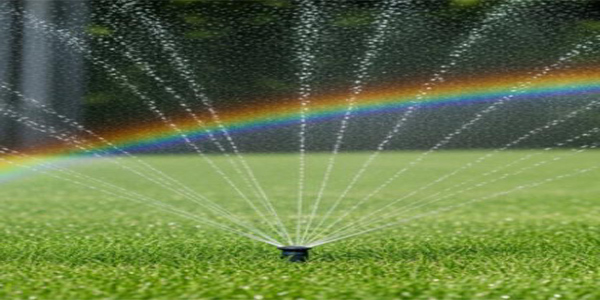
Water conservation and lawn and garden irrigation are not mutually exclusive. Because clay soil is common in this area, irrigation plays an important role in how it is watered. Clay soil holds water efficiently but needs slow and infrequent watering cycles to prevent runoff. In yards, setting your lawn mower blades higher can help to facilitate deeper roots. You should only mow 1/3rd of a leaf blade each mowing (example, if grass is 3” tall, you should cut no shorter than 2”).
In gardens, grouping drought-tolerant plants with similar water requirements together makes it easier to avoid overwatering. Sloped gardens respond better to drip irrigation systems to get a more even watering for plants in upper and lower regions of the garden.
There are several factors that should be considered if you are using an irrigation system of any kind that could result in excessive water consumption and costs and lost water due to broken and leaking systems. Proper irrigation and watering techniques are essential to conservation during peak periods of rain and lengthy conditions of drought. Spray irrigation may work on a sloped garden or lawn but requires a special water distribution strategy to prevent water from flowing rapidly downhill. In general, different types of irrigation systems have varying expenses, however, you should also consider the costs of water needed with different types of systems. For example, a spray system with a low use efficiency loses 35%-50% of its water due to runoff, wind blowing spray off of the intended area, and evaporation. Alternatively, a drip irrigation system applies water directly to the soil. By incorporating and blending these aspects of comprehensive lawn care strategy: initiate periodic water “reviews” of your irrigation system, give thoughtful consideration to the cultivation components of your lawn and garden, and incorporate a meaningful combination of managing operational elements to relate to environmental elements, water waste can be minimized while promoting a more resilient and healthier landscapes.
WATER FOG, WIND DRIFT & EVAPORATION
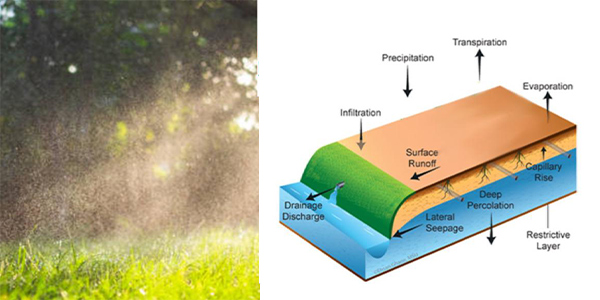
While watering grass with a sprinkler system, a fog may appear over the landscape. This is an indication of a problem. What is happening is that pressure is too high in your system for the sprinklers and/or wind is evaporating water as it emerges into the air rather than landing on the ground. Another indication of wind drift is finding water on the sidewalk and street beyond the lawn. Up to 50% of the water intended for the lawn may be lost if pressure is not properly managed.
Evaporation is a key component of water loss. Before reaching the ground, water turns to vapor in the air. Wind drift, daytime watering, and high temperatures are the major culprits.
TIMELY WATERING
To conserve water and avoid usage during peak time, it is suggested to water before dawn (ideally 3 a.m. to 6 a.m.). Watering mid-day – afternoon increases the amount of evaporation loss in a system due to warmer temperatures. Beware that watering in the evening may lead to a higher risk of disease in grass and vegetation, as plant leaves do not have the proper time to dry completely. This creates an environment that gives rise to fungus development.
DON’T IRRIGATE WHEN IT’S RAINING
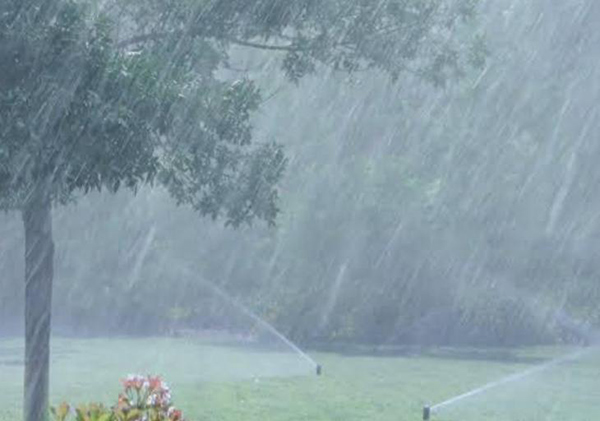
What!!?? Turn off the irrigation system when it is raining; there is no need for it. Some systems have detectors that automatically register rain and do not activate during rainfall.
DEEP PERCOLATION
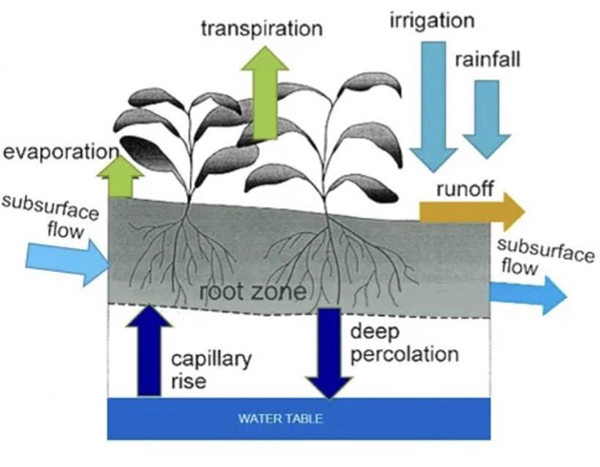
Deep percolation is when water infiltrates the soil beyond the root zone and therefore, becomes unavailable to vegetation. Overwatering causes deep percolation and is often the result of incorrect timing of irrigation. Long run times on an irrigation system can cause this. It is preferable to have your system set to run with multiple shorter runtimes than a long soak (which also creates a significant amount of runoff).
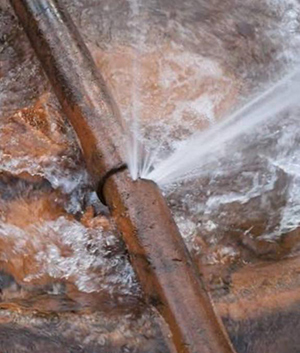
SYSTEM MALFUNCTIONS AND LEAKS
Proper care of an irrigation system is vital to preventing water loss. Conserve water by maintaining the system and repairing broken pipes and sprinkler heads and missing parts.
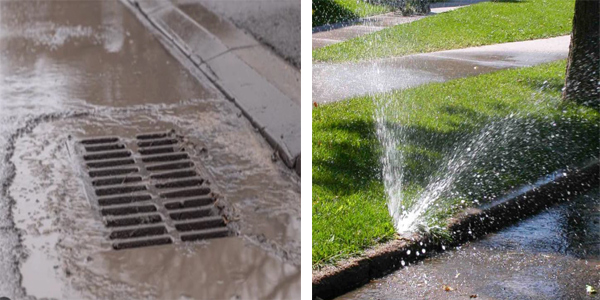
RUNOFF
It is devastating to homeowners and MUDs to see water waste due to runoff. It is a very visible indicator of water waste. When water does not penetrate the ground area it was intended to irrigate, its flow reaches impenetrable areas such as storm sewers, sidewalks, streets, and ultimately ends up in your drainage system of ponds or channels.
Runoff is a clear indicator of overwatering areas where the ground cannot absorb the water quickly. As mentioned above, the short cycle and soak irrigation method (rather than a continuous run time), improvement of soil quality and landscape alterations are just a few ways to alleviate water due to runoff.
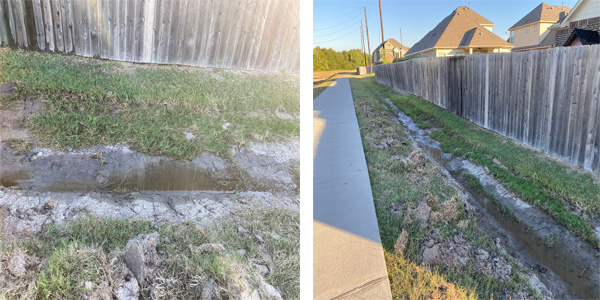
Quite often, FBMUD 47 sees water standing in backslope swales (which leads to the larger drainage channel) when there has been no significant rain. This water is most often caused by the overflow from homeowner yards bordering the channels. If improper irrigation continues, this water continuously drains into the area and never completely dries up unless the irrigation issue is resolved.
Runoff can also be a major source of pollution. Water freely flowing from maintained areas often carries a wide variety of pollutants including pet waste, lawn clippings, dirt, bacteria and chemicals. Ingredients in pesticides and fertilizers, particularly nitrate, can penetrate soil and over time can even cause larger issues with groundwater.
CONSERVATION AND IRRIGATION
The proper use of irrigation systems and other watering methods we use are one way we can prevent water waste. Water conservation is a responsibility of every resident and organization within a community. If you use an irrigation system, you should consider the impact and effect of timing, using the cycle and soak method, determining the correct amount of water, using resources to track weather, and soil preparation to better conserve water. You can also choose specific landscape options to conserve waters such as grouping plants with similar water needs and choosing drought tolerant and native plants, mulching, mowing with raised lawn mowers, and reducing sloping of yards and gardens.
There are a multitude of various website resources on irrigation and conservation. Water My Yard (watermyyard.org) is a program in specific areas that collects weather data to provide free weekly watering advice. See additional information on fbmud47.org for other conservation suggestions. https://www.fbmud47.org/whereyourirrigationgoes